A home cheesemaker's journal & community
Every wheel begins
with patience.
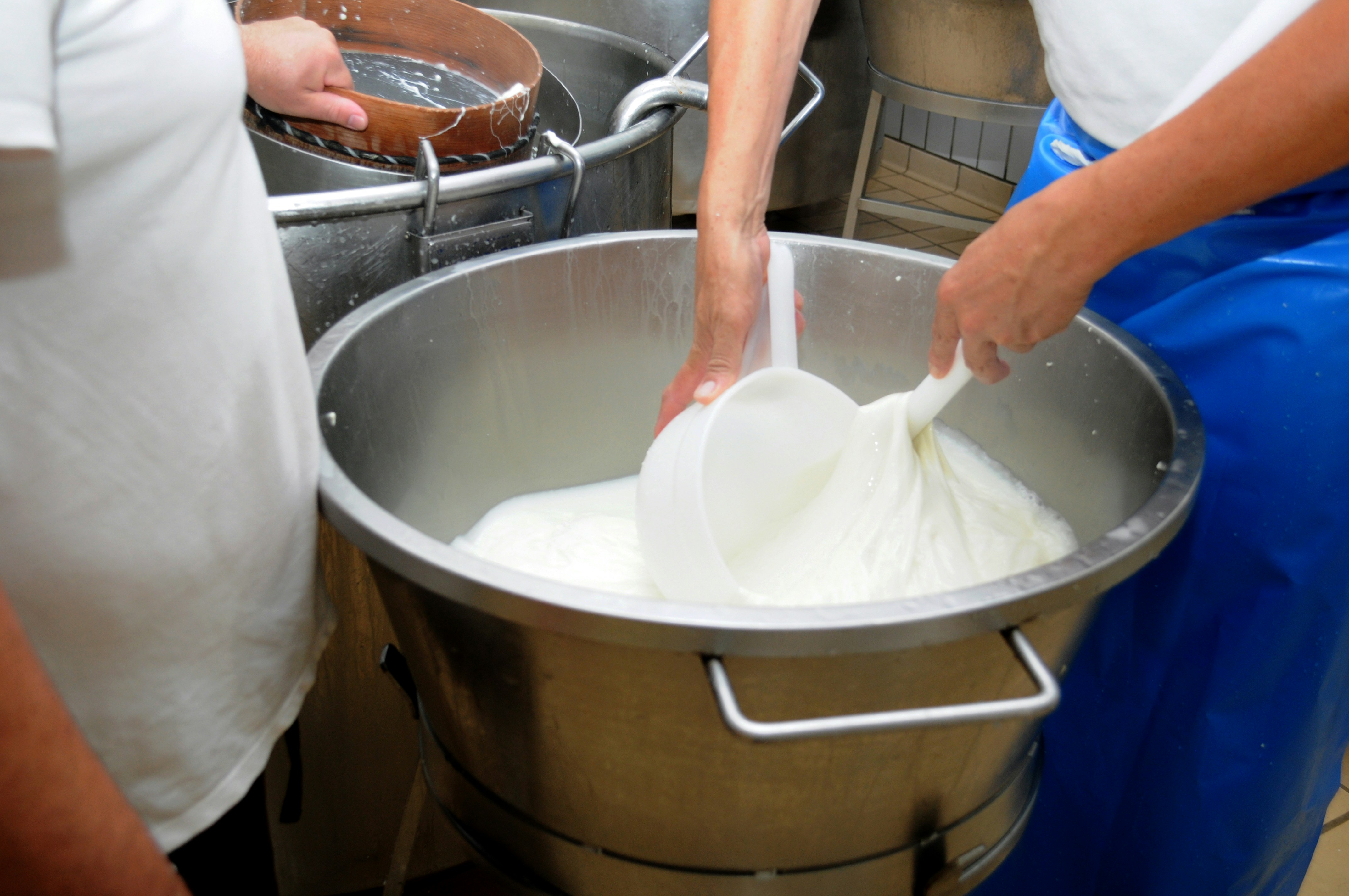
From the first warm vat to a wheel pressed under repurposed dumbbells — Curd is where home cheesemakers who take it seriously find their people.
Fermentation is a conversation with time.
Most cheesemaking resources stop at ricotta. They hand you a recipe and leave you alone with a thermometer and a bag of citric acid. Curd exists because what comes next — the mesophilic cultures, the rennet calculations, the aging cave you've rigged from a wine cooler and a humidity controller — deserves a real home.
We believe that pressing a wheel of cheddar at midnight, checking the temperature of your cave before bed, turning a camembert with the same care you'd give a sleeping child — these are not hobbies. They are a practice. A slow conversation between your hands and something ancient.
Curd is a journal, a curriculum, and a community for the obsessed. People who argue thermophilic versus mesophilic cultures not because they have to, but because they genuinely need to know.
"The mold on your camembert is not a mistake. It is the cheese becoming what it was always going to be."
4,200+
Members in the cave
55°F
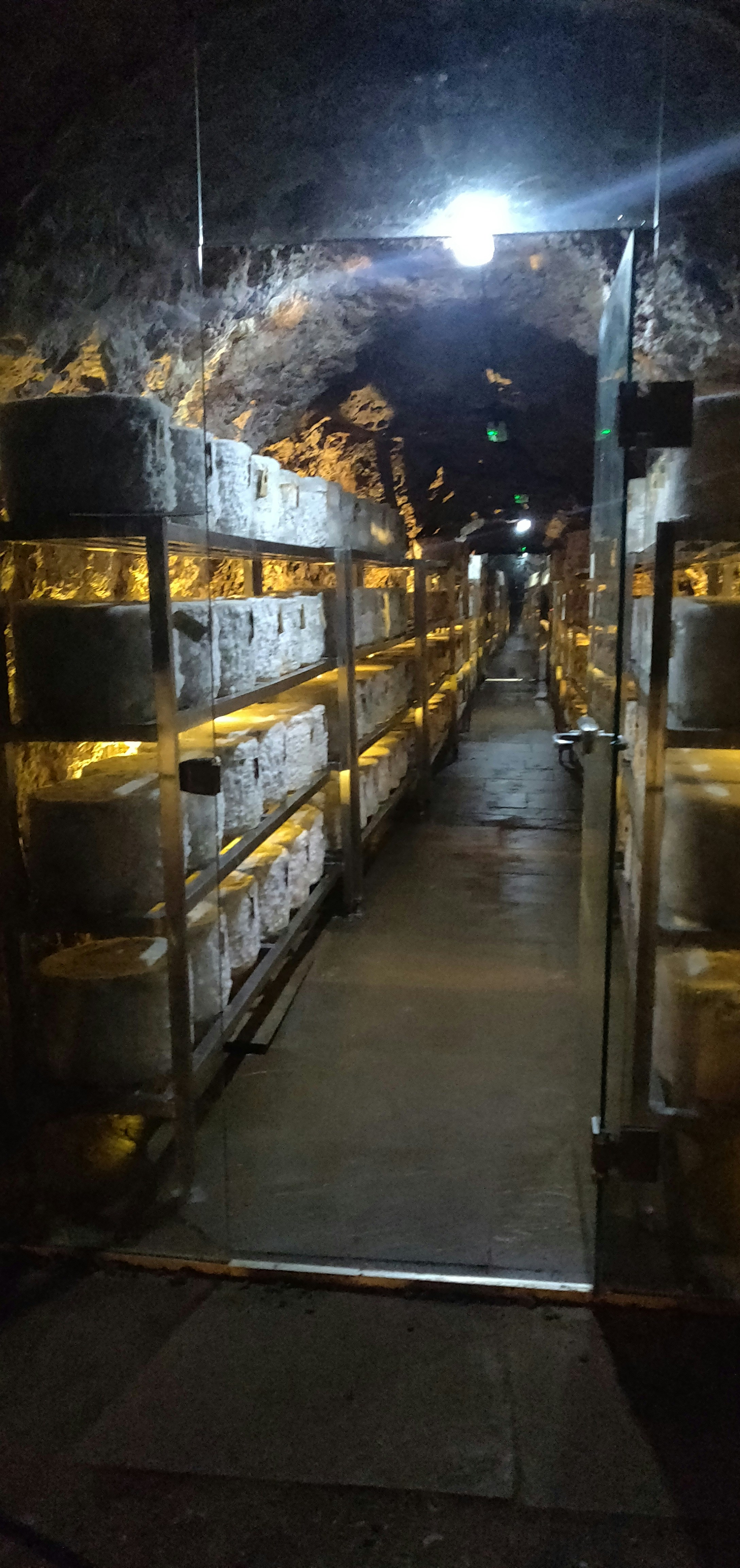
The cave holds steady
The curriculum is the cheese itself.
From Curds to Chèvre
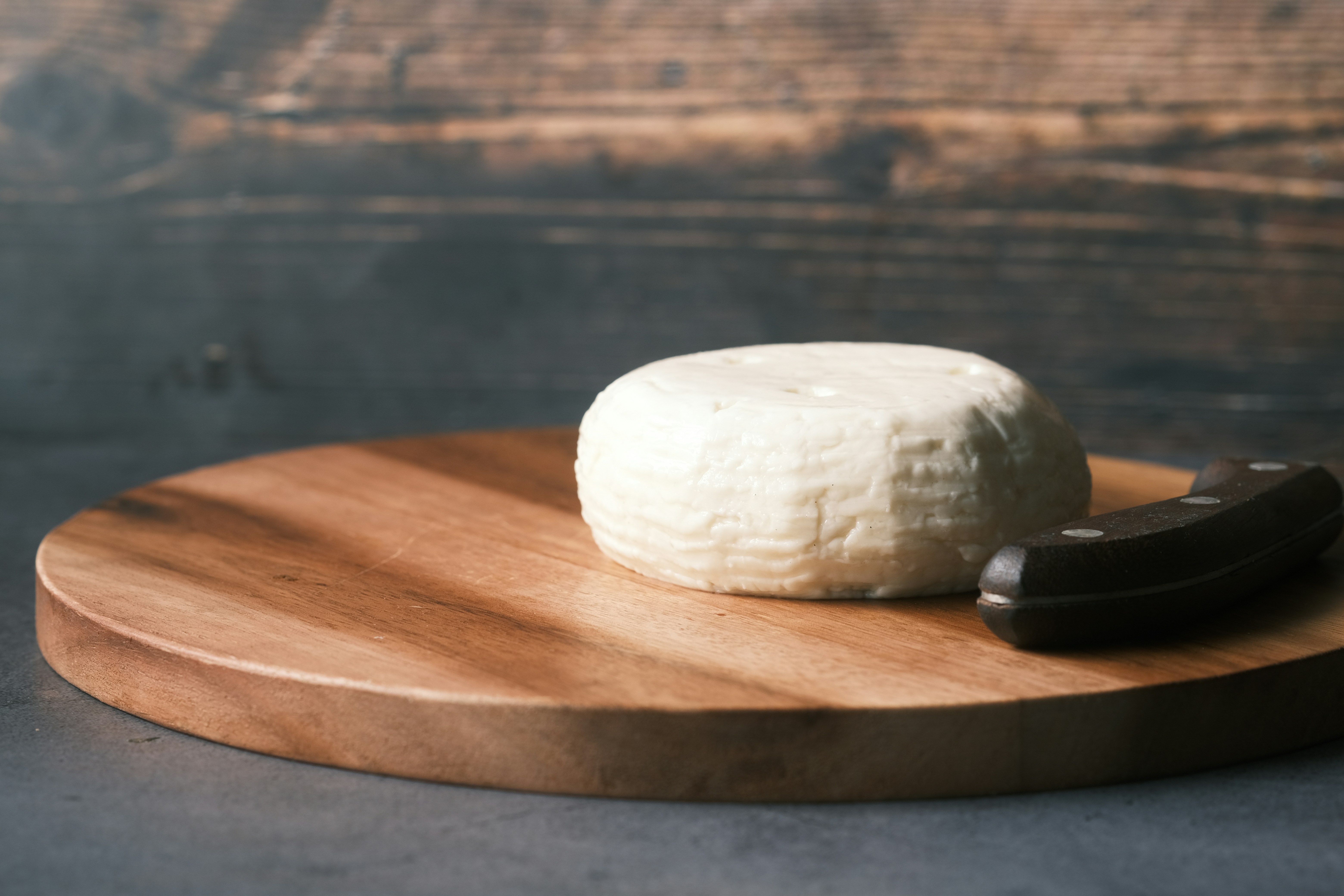
Mozzarella, ricotta, chèvre, queso fresco — the foundations that teach your hands to read the milk.
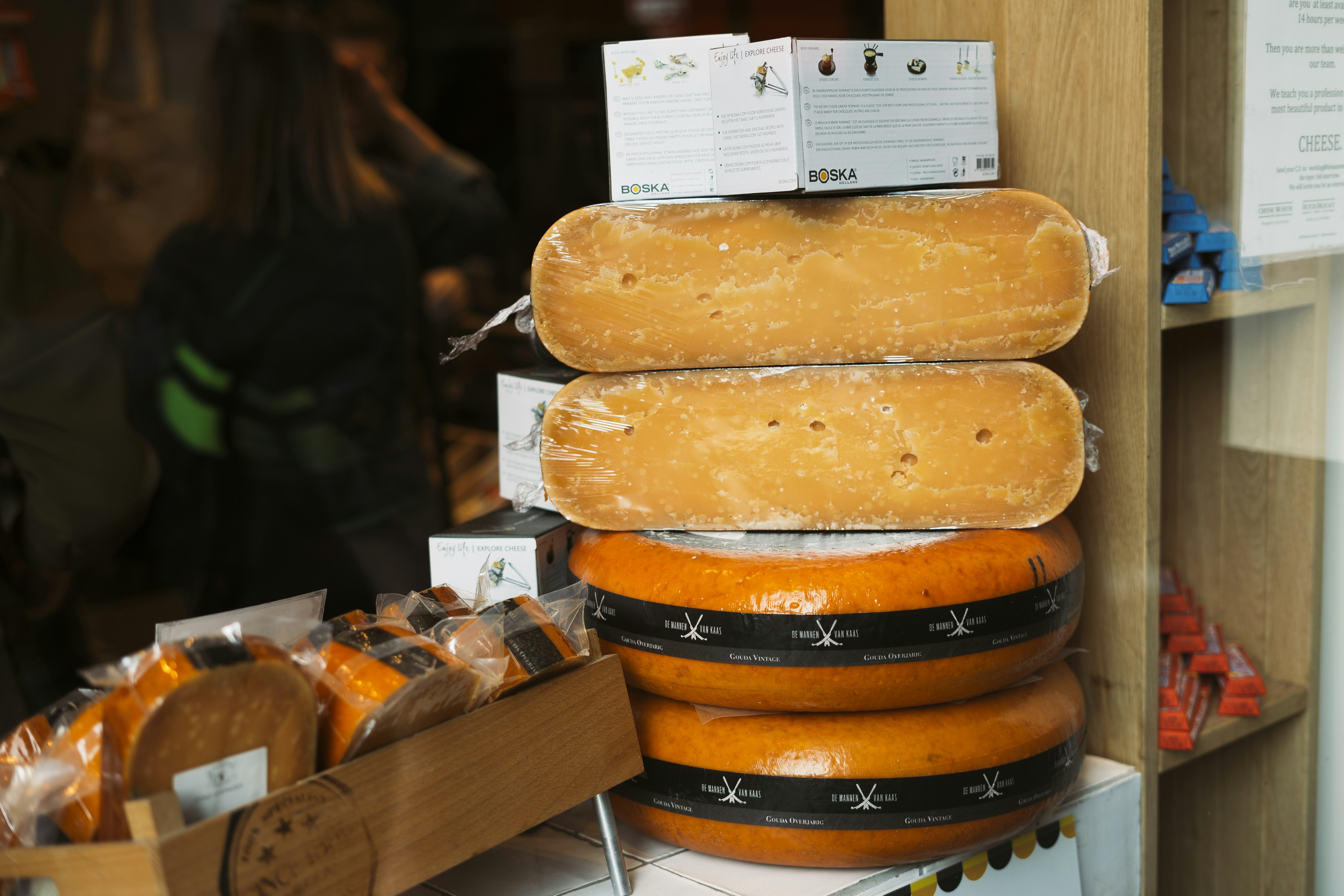
The Long Game
Cheddar, gouda, manchego. Learn to press, wax, and wait. The cave is where patience becomes flavor.
Camembert & Brie
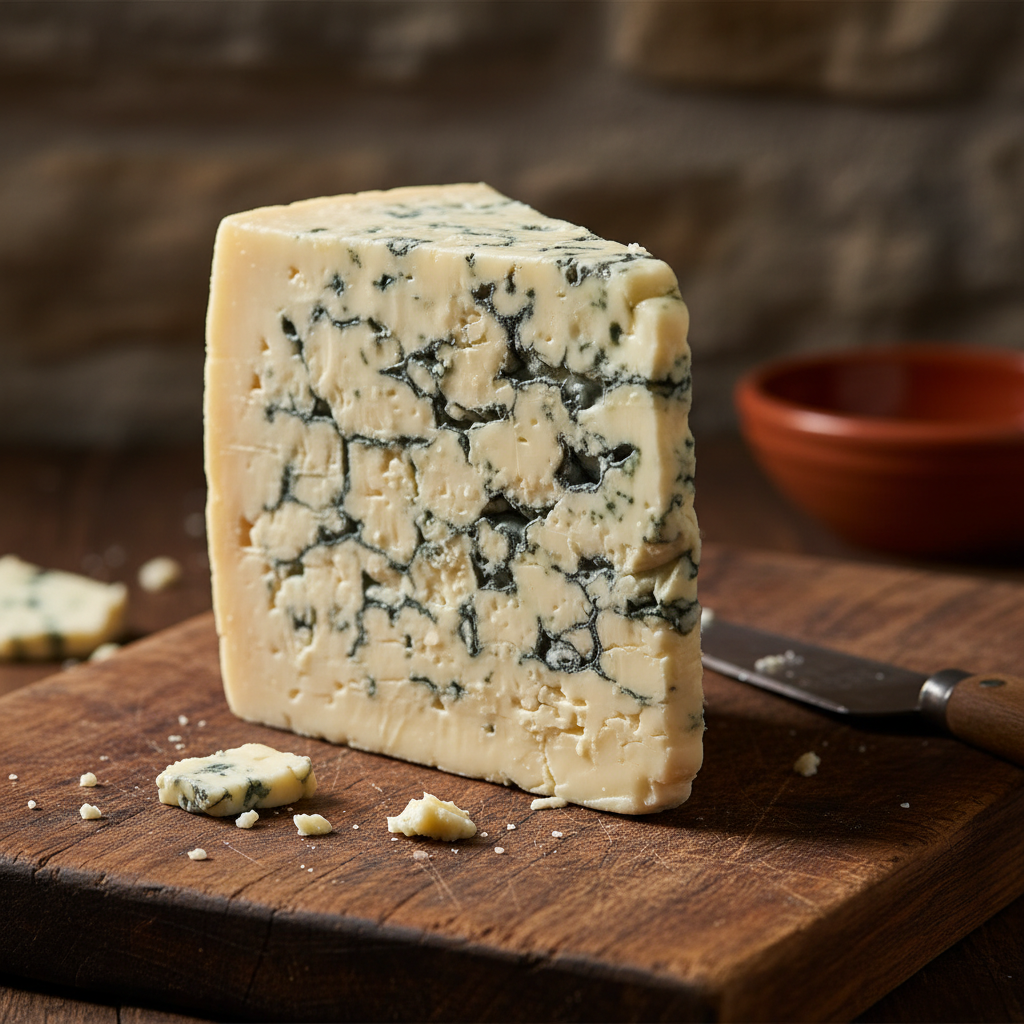
Into the Needle
Piercing, Penicillium roqueforti, cave humidity. The most technically demanding — and the most rewarding.
Mesophilic Cultures
MA 4001 · Flora Danica
Thermophilic Cultures
TA 61 · Thermo B
Rennet Ratios
Animal · Vegetable · Microbial
Cave Conditions
50–58°F · 85–95% RH
The method is the message.
Each technique guide goes deeper than a recipe. We talk about the why — the chemistry, the failure modes, the moment you know it's working.
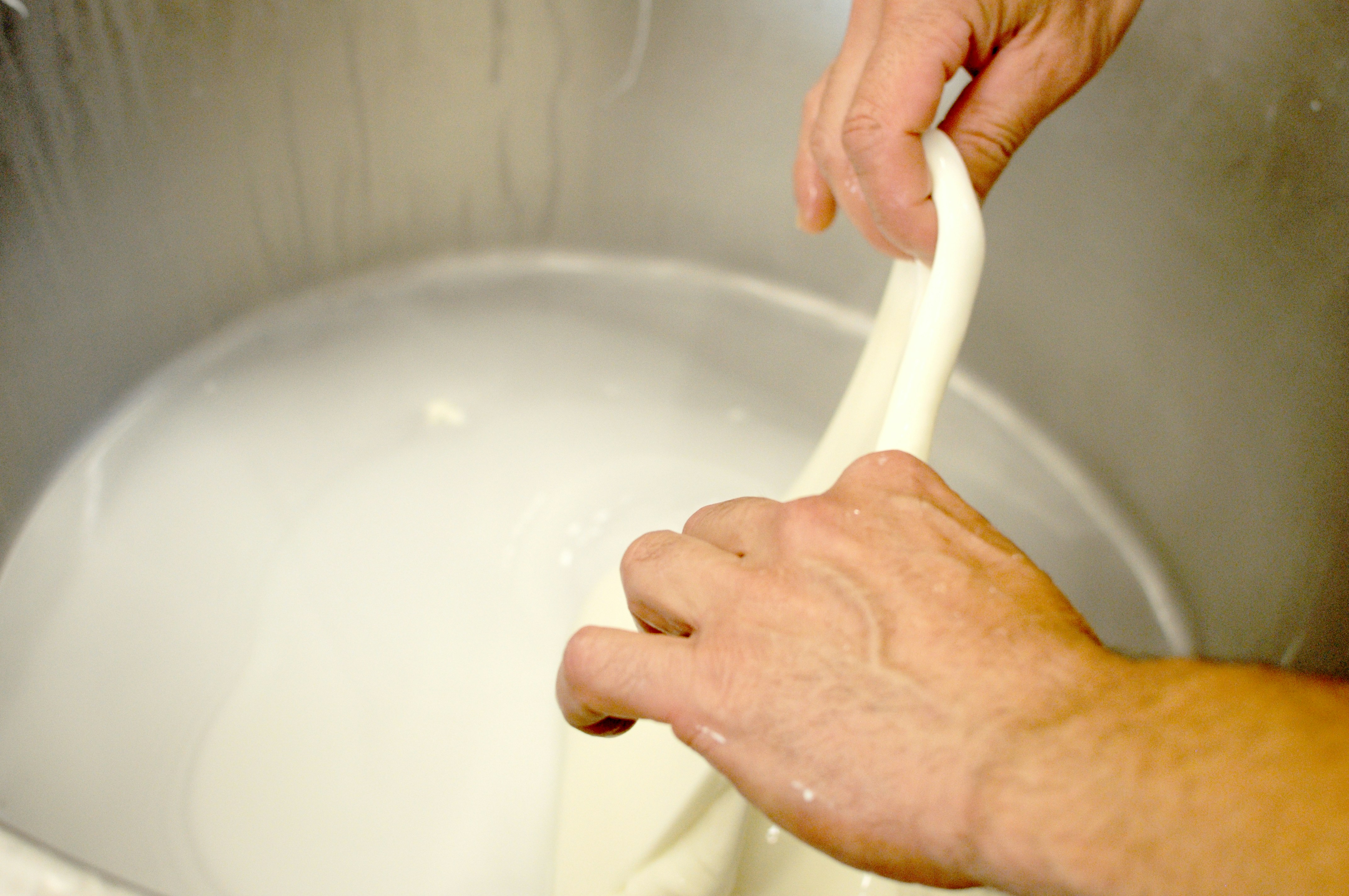
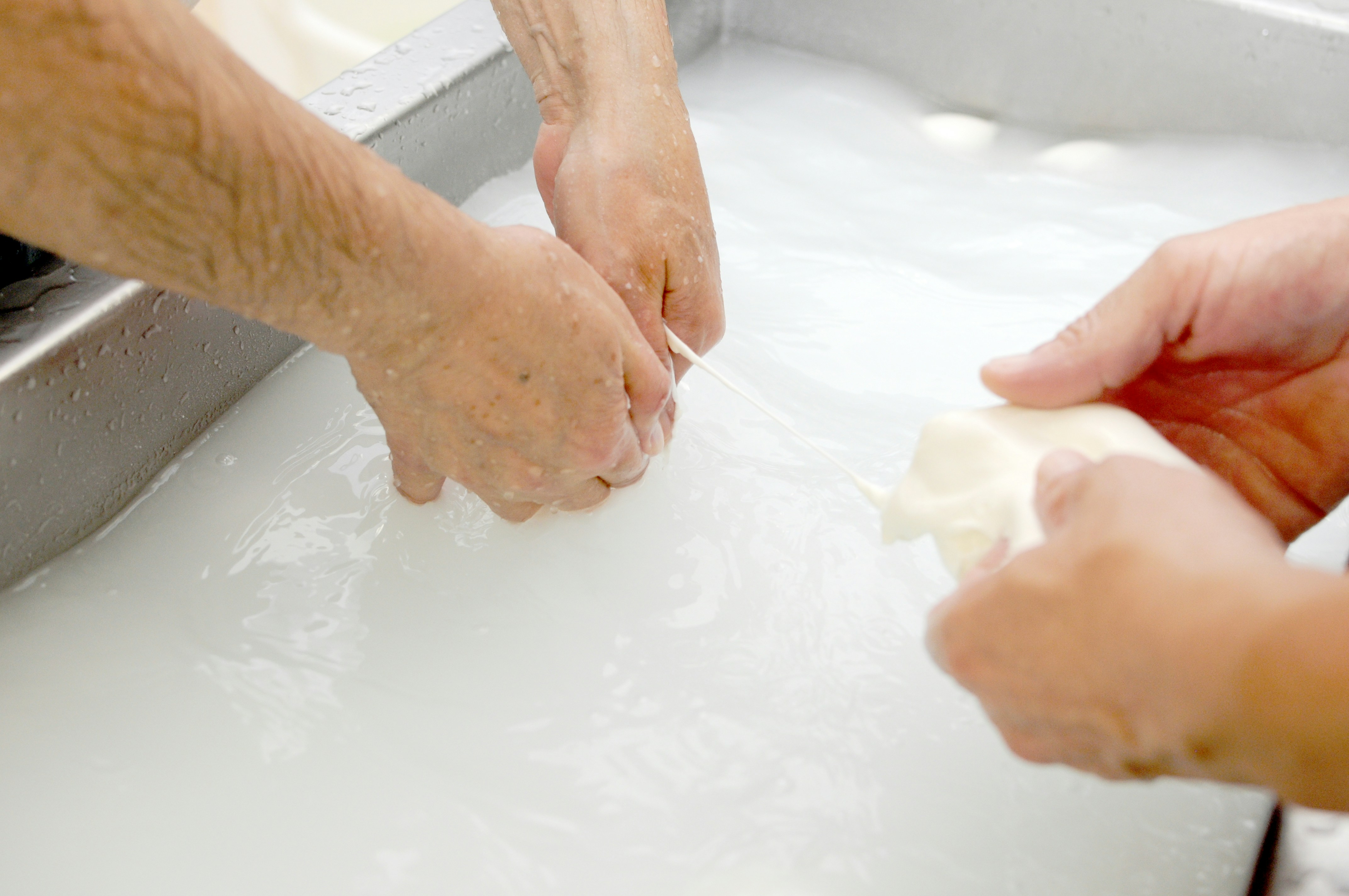
Stretching Mozzarella
pH 5.2, 175°F water, and the moment the curd stops tearing and starts pulling into silk. Timing is everything — five minutes too late and you have rubber.
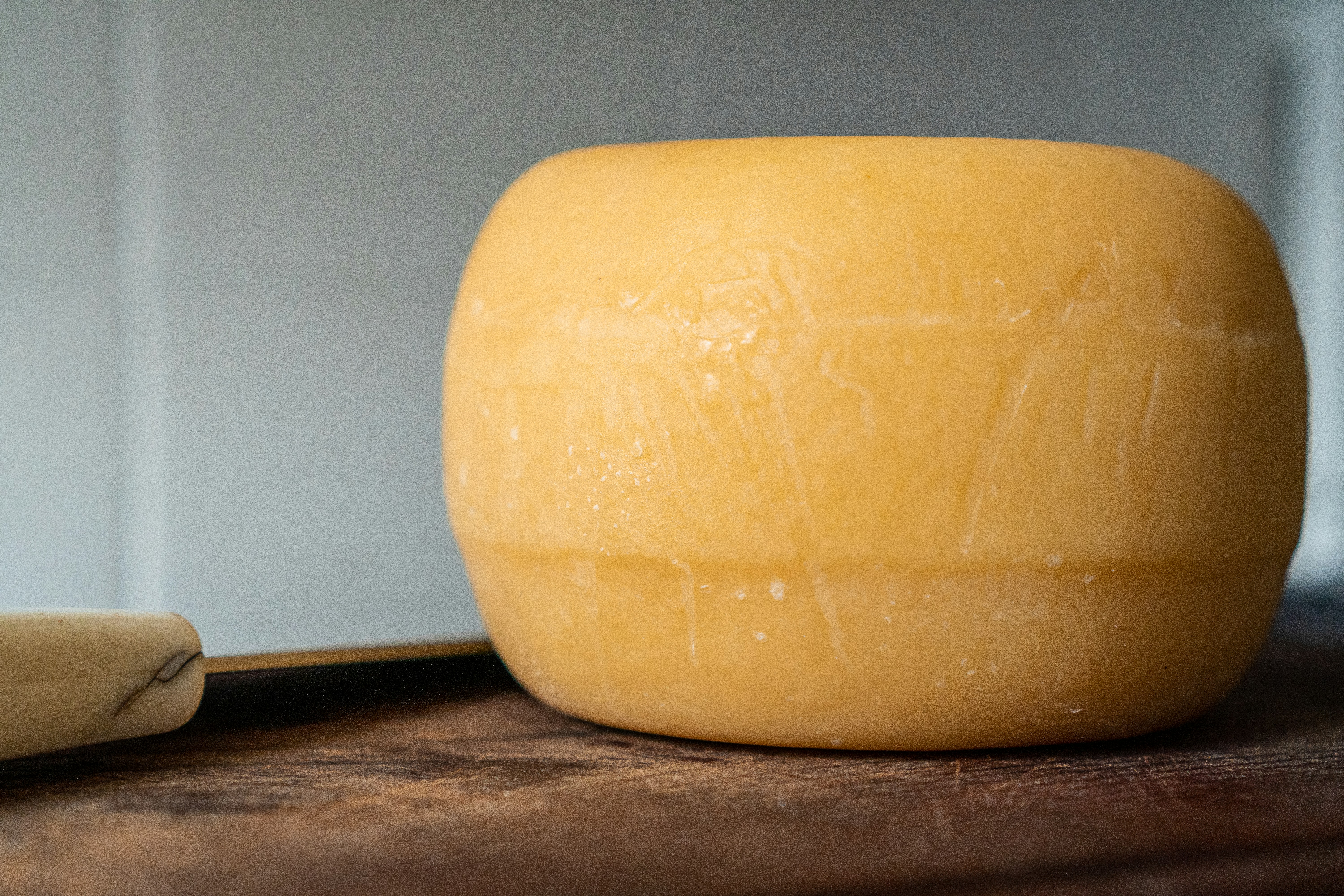
Cheddaring & Pressing
Cutting, cooking, cheddaring, milling, salting, pressing under 50 lbs. Then the cave. Six months minimum. Twelve if you can wait.
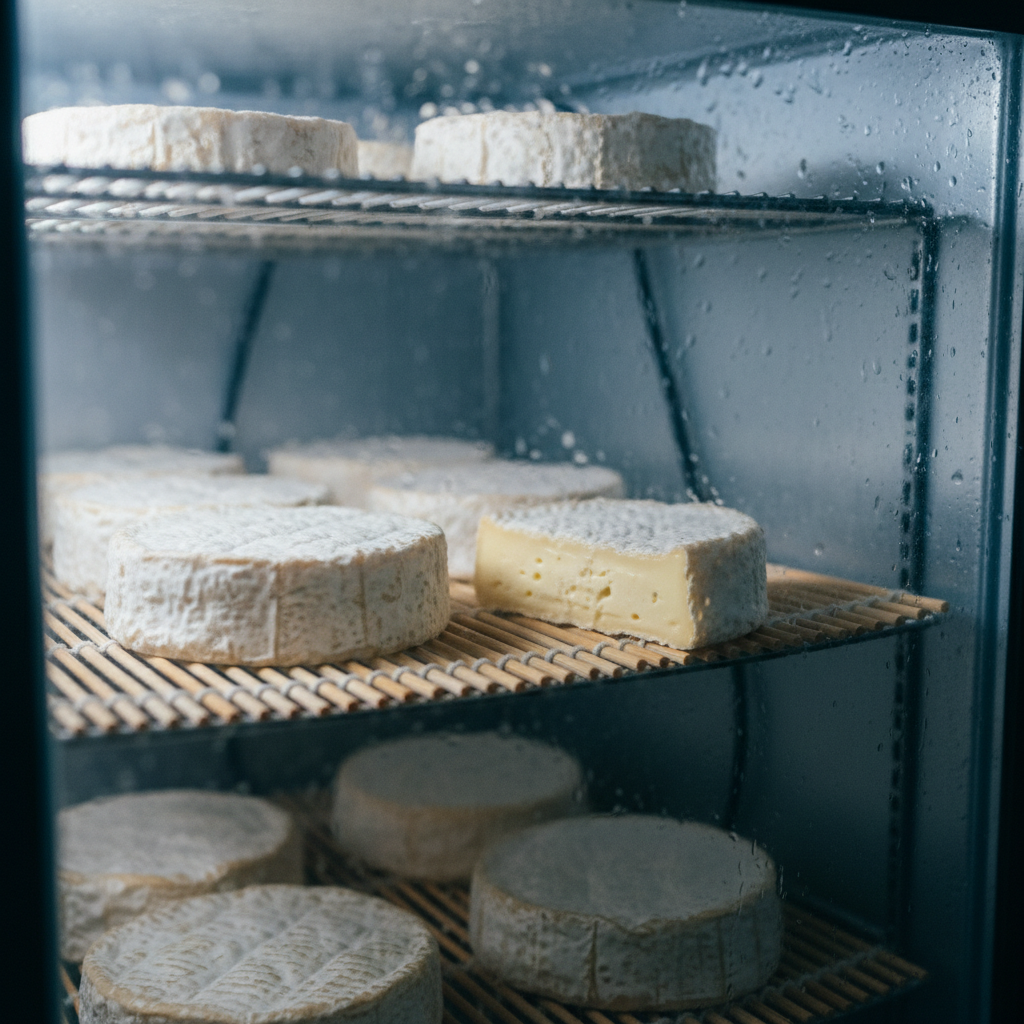
Camembert in the Cave
Penicillium candidum inoculation, ladling the curds without breaking them, and watching the first white bloom appear on day four. The cave does the rest.
No specialty equipment required to start
A stockpot, a thermometer, cheesecloth, and a repurposed wine cooler. That's a cave. We'll show you how to rig it.
You've already found your people.
4,200 home cheesemakers who argue about rennet ratios at midnight and share cave photos at dawn. The forum never sleeps.
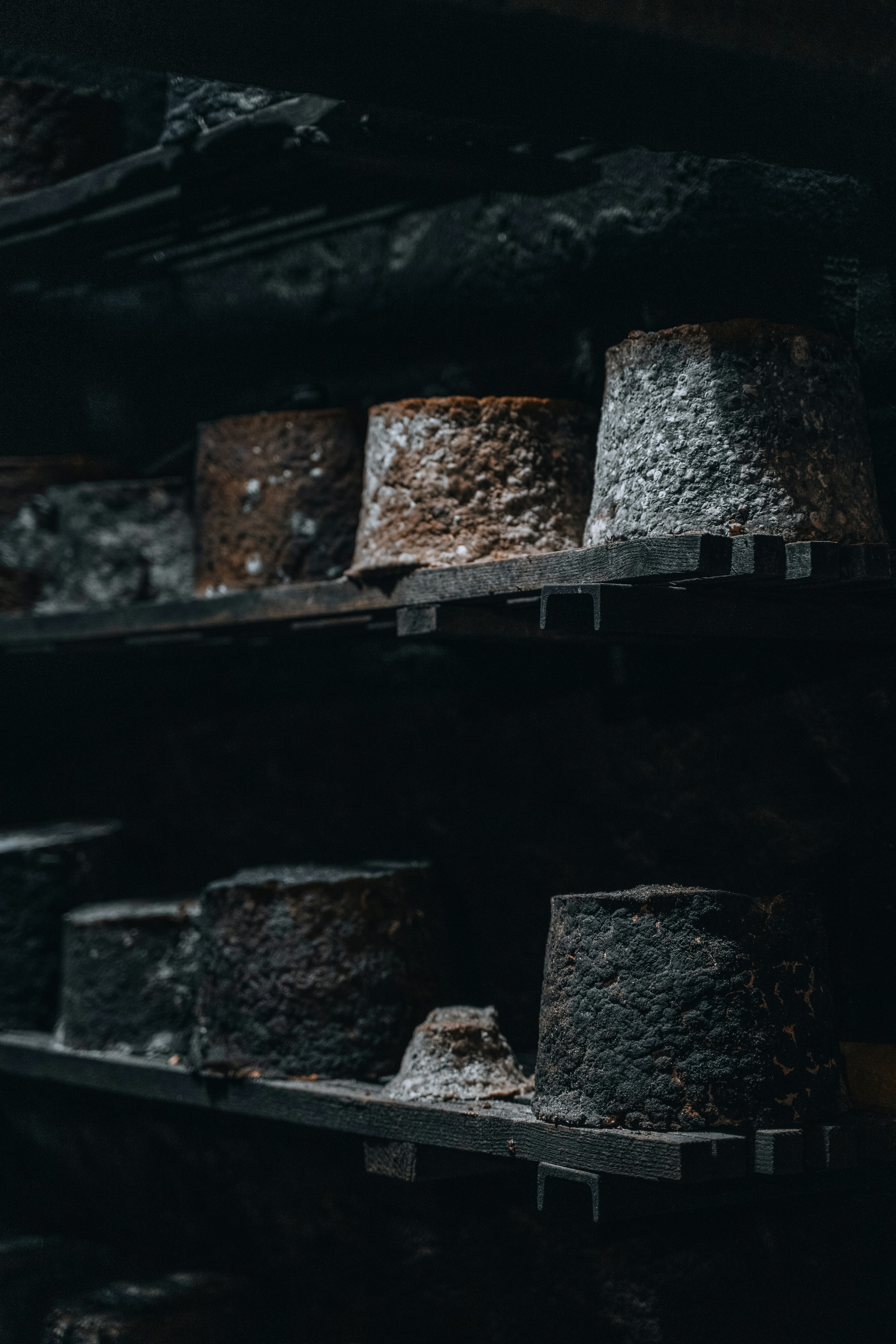
Alpine-style wheels
Live in the forum right now
Mesophilic vs thermophilic for a semi-firm gouda at altitude
My cave is holding 58°F but RH keeps dropping below 80% — wine cooler mods?
First successful camembert bloom — photos inside (and questions)
Free to join · No spam · Just cheese
The cave has been waiting for you.
Join 4,200 home cheesemakers. Ask your first question tonight. Get a real answer from someone who's made the same mistake.